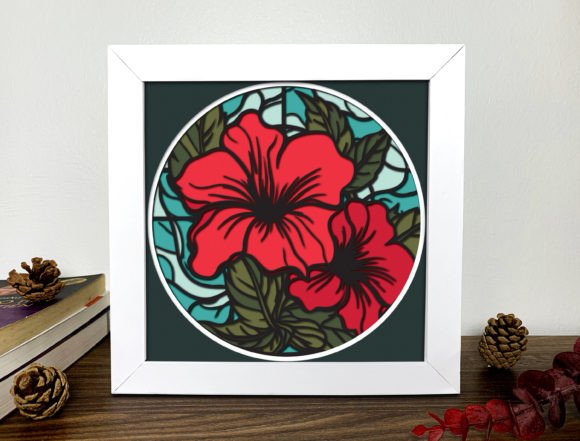
Hibiscus Stained Glass 3D- Alleylightbox: A Creative Digital Design for Versatile Use
The Hibiscus Stained Glass 3D- Alleylightbox is a digital design file that brings the elegance of stained glass into modern crafting and home décor projects. Ideal for hobbyists, educators, professionals, and anyone interested in do-it-yourself (DIY) art, this product offers a unique blend of artistic inspiration and technical precision. Unlike traditional stained glass kits, which require specialized tools and materials, this digital version allows users to work with paper of their choice, enabling a more flexible and customizable approach to creation.
What Makes This Design Unique?
The Hibiscus Stained Glass 3D- Alleylightbox stands out due to its intricate detailing and compatibility with a wide range of cutting machines. The design features a stylized hibiscus pattern rendered in a stained-glass aesthetic, complete with geometric shapes and vibrant color suggestions. While it's intended for use with digital paper-cutting tools, the beauty lies in the freedom it gives buyers to choose their own materials — from translucent vellum to colored cardstock or even fabric-backed papers for layered effects.
This digital product is not a physical item but rather a downloadable file that includes SVG, DXF, PDF, and EPS formats. These files are compatible with popular cutting devices such as the Cricut Maker 3, Silhouette Cameo, Brother ScanNCut, and many others. This ensures accessibility for crafters regardless of the type of machine they own.
Key Features at a Glance
- Compatibility: Works with all major cutting machines on the market.
- Material Flexibility: Buyers can use various types of paper depending on their project needs.
- Dimensions: The design measures 20x20cm (7.8x7.8in), making it suitable for small to medium-sized displays.
- File Formats Included: SVG, DXF, PDF, and EPS for maximum usability across platforms and software.
- Encourages Creativity: Designed to inspire users to experiment with colors, layers, and presentation styles.
Practical Applications and Use Cases
One of the most compelling aspects of the Hibiscus Stained Glass 3D- Alleylightbox is its versatility. Whether you're a seasoned crafter or just starting out, this design opens up a world of possibilities. Here are some common ways people have used it:
- Home Décor: Many creators use this design to make decorative wall art, window hangings, or lantern inserts that cast beautiful patterns when lit. The hibiscus motif adds a tropical or floral touch, perfect for summer-themed rooms or bohemian interiors.
- Event Decorations: From weddings to birthdays, the design can be adapted to create elegant table centerpieces, place cards, or backdrop elements. Its visual appeal makes it ideal for themed events like luau parties or garden-style gatherings.
- Gifts and Ornaments: When cut using metallic or iridescent paper, the Hibiscus Stained Glass 3D- Alleylightbox becomes an eye-catching ornament or gift box embellishment. It’s especially popular during holidays and special occasions.
- Educational Tools: Teachers often incorporate this design into art classes to introduce students to the concept of light projection and geometric composition. The process of cutting, layering, and assembling the pieces helps develop fine motor skills and creative thinking.
- Business Branding: For boutique owners, café operators, or event planners, custom versions of the Hibiscus Stained Glass 3D- Alleylightbox can serve as branded signage or promotional items that align with a tropical or artistic theme.
How to Get Started with Your Design
To begin working with the Hibiscus Stained Glass 3D- Alleylightbox, you'll first need a compatible cutting machine and appropriate software. Most machines come with their own design programs, but third-party applications like Adobe Illustrator, Inkscape, or Cricut Design Space also support the included file formats.
Once you’ve selected your preferred paper — whether it's transparent, glossy, matte, or textured — load it into your machine according to the manufacturer's instructions. Then, import the design file and adjust the settings based on the material thickness and desired outcome. After cutting, you can assemble the pieces by hand or use adhesive methods to build the final product.
It’s important to note that the success of the project depends largely on the quality of the paper and the care taken during assembly. Using higher-quality materials often results in sharper lines and better light transmission, enhancing the overall visual effect.
Advantages of Choosing a Digital Product
Digital products like the Hibiscus Stained Glass 3D- Alleylightbox offer several benefits over traditional physical kits. First and foremost, they eliminate shipping delays and reduce environmental impact by avoiding packaging waste. Additionally, they allow for instant access and multiple uses — you can download the file once and reuse it for future projects without purchasing additional copies.
Another advantage is the ability to scale the design to fit different spaces or purposes. While the standard size is 20x20cm, users can easily resize the pattern within their design software to match larger panels or smaller accents. This adaptability makes the Hibiscus Stained Glass 3D- Alleylightbox suitable for both personal and commercial applications.
Moreover, since the design is optimized for use with the Cricut Maker 3, it ensures clean, accurate cuts even for those who may be less experienced with digital crafting tools. The file structure is designed to maintain detail integrity at any scale, so you won’t lose quality when resizing for different outputs.
Why Encourage Sharing and Collaboration?
One of the core principles behind the Hibiscus Stained Glass 3D- Alleylightbox is the encouragement of creativity through sharing. By inviting buyers to showcase their finished products online or in local communities, the design fosters a sense of connection among makers. Social media platforms like Instagram, Pinterest, and Facebook provide excellent spaces for users to display their interpretations of the design and exchange tips with others.
Sharing not only builds a community around the product but also inspires innovation. For example, one user might create a simple hanging decoration, while another could turn it into a multi-layered shadowbox or a light-up lampshade. These diverse approaches demonstrate how the same digital file can yield countless real-world variations, depending on individual skill levels and preferences.
Considerations for Different User Groups
While the Hibiscus Stained Glass 3D- Alleylightbox is accessible to a wide audience, different users may find certain aspects more relevant than others:
- Professionals: Graphic designers and product developers might appreciate the high-resolution EPS format for integrating the design into larger compositions or branding materials.
- Consumers: Homeowners looking for easy-to-create décor will enjoy the simplicity and instant gratification of using a pre-made digital template.
- Creators: Artists and crafters will benefit from the flexibility to experiment with color combinations, layering techniques, and alternative materials.
- Educators: Teachers can use this design to teach geometry, symmetry, and the science of light in a hands-on, engaging way.
- Researchers: Those studying design trends or material science might analyze how different paper types affect the appearance and durability of the final product.
- Business Owners: Entrepreneurs in the craft or retail sectors can use the design to create custom merchandise or in-store displays that reflect their brand identity.
- Hobbyists: DIY enthusiasts will love the challenge of bringing a complex pattern to life with minimal equipment and maximum creativity.
Tips for Maximizing Results
To get the best out of the Hibiscus Stained Glass 3D- Alleylightbox, consider these practical tips:
- Use a ruler or measuring tape to ensure the paper is correctly sized before loading it into the cutter.
- Test the design on scrap paper first to confirm that the cutting tool is properly calibrated for the chosen material.
- Layer the pieces using clear adhesives to preserve the stained-glass look without obscuring the design.
- For lighting effects, place the assembled design inside a frame with LED lights or position it near a window where natural light can pass through.
- Document the process and share your finished piece to contribute to the growing community of users inspired by this design.
Comparisons and Alternatives
When compared to other stained glass-inspired digital designs available on the market, the Hibiscus Stained Glass 3D- Alleylightbox distinguishes itself through its level of detail and adaptability. Some similar designs may focus on simpler patterns or lack the comprehensive file formats offered here. Others may not emphasize the importance of customization through material selection.
Traditional stained glass projects typically involve lead came, soldering, and glass cutting — processes that can be time-consuming and potentially hazardous. In contrast, the Hibiscus Stained Glass 3D- Alleylightbox provides a safer, more accessible option that still delivers visually stunning results. It’s also significantly more cost-effective, especially for beginners who may not yet have the tools or materials required for full-scale glasswork.
For those who prefer digital-only outputs, the design works well as a printable pattern for coloring pages or as a background element in graphic design projects. Its layered nature also makes it a good candidate for laser engraving or etching on wood, acrylic, or metal surfaces, opening up new avenues for application beyond paper crafts.
Real-World Relevance and Trends
In today’s fast-paced, tech-savvy world, digital crafting has become increasingly popular. With more people seeking creative outlets at home and in educational settings, products like the Hibiscus Stained Glass 3D- Alleylightbox meet the demand for accessible, inspiring, and reusable content. The trend toward hybrid projects — combining digital design with tactile, handmade elements — has made such templates highly valuable across multiple industries.
Additionally, the rise of remote learning and virtual workshops has led to a greater need for structured yet flexible craft activities. Educators and workshop leaders often look for resources that can be easily distributed and modified, and the Hibiscus Stained Glass 3D- Alleylightbox fits this requirement perfectly. Its modular components and scalable layout make it suitable for group projects or solo experimentation alike.
Final Thoughts on Workflow and Implementation
Implementing the Hibiscus Stained Glass 3D- Alleylightbox into a workflow is straightforward but requires attention to detail. Start by selecting a machine-compatible paper, then proceed with importing the file into your design software. Adjust the dimensions if needed and send the job to your cutting device. Once all parts are cut, lay them out on a backing sheet or frame to visualize the final composition before adhering them together.
For those unfamiliar with digital cutting tools, there are numerous online tutorials and forums that offer guidance on everything from software setup to advanced assembly techniques. Taking the time to explore these resources can enhance the experience and lead to more refined outcomes.
Ultimately, the Hibiscus Stained Glass 3D- Alleylightbox serves as a gateway to creative exploration. It challenges users to think beyond the basic function of the design and encourages them to innovate, personalize, and share their creations. Whether you’re making a single piece for your home or producing multiple versions for a business venture, this digital product provides the foundation for meaningful and beautiful craftsmanship.