3D Wine Glass Caddy Laser Cut: A Strategic Tool for Creativity, Branding, and Practical Design
In the evolving landscape of product design and manufacturing, the 3D Wine Glass Caddy Laser Cut has emerged as a versatile solution that bridges traditional craftsmanship with modern technology. This innovative product is not just a functional storage or display item—it's also a powerful tool for entrepreneurs, marketers, creators, and professionals looking to enhance their brand presence, streamline operations, or simply bring a unique design element into their personal or commercial space.
What Is a 3D Wine Glass Caddy Laser Cut?
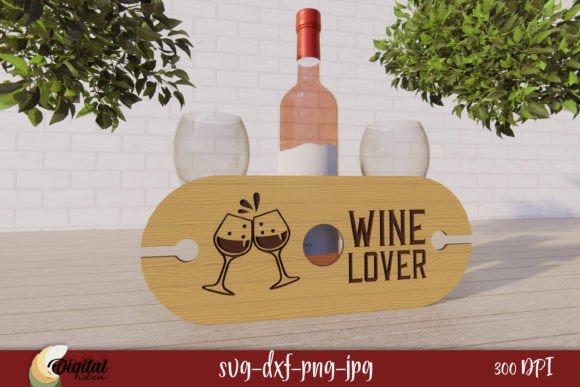
A 3D Wine Glass Caddy Laser Cut refers to a wine glass organizer or rack crafted using laser-cutting techniques on materials such as wood, acrylic, or metal. The caddy is designed in three dimensions, often featuring intricate patterns, geometric shapes, or personalized branding elements. These designs are typically created using CAD software and then translated into precise, repeatable cuts via a laser cutter.
The advantage of this method lies in its precision and adaptability. Unlike traditional methods that may require manual carving or molding, laser cutting ensures consistent results while allowing for complex and customizable designs. As a result, a 3D Wine Glass Caddy Laser Cut can be tailored to suit specific aesthetic preferences, spatial constraints, or branding needs—making it ideal for both home use and commercial applications.
Strategic Uses for a 3D Wine Glass Caddy Laser Cut
For professionals in design, hospitality, or retail, the thoughtful integration of a 3D Wine Glass Caddy Laser Cut can support multiple strategic goals:
- Brand Positioning: Custom-designed caddies can serve as branded displays in bars, restaurants, or event spaces. They offer a subtle yet effective way to reinforce your brand’s identity through visual consistency and quality craftsmanship.
- Customer Experience: In hospitality settings, these caddies can elevate the ambiance by providing an organized, visually appealing way to present wine glasses. This attention to detail contributes to a more professional and inviting atmosphere.
- Productivity & Operations: For small business owners or bar managers, having a well-organized system for storing and accessing wine glasses can reduce time spent searching for clean or properly sized items, improving overall workflow efficiency.
- Marketing & Merchandising: Unique, aesthetically pleasing caddies can be used as part of a merch line or promotional package. When sold alongside wine accessories, they add value and differentiate your offerings from competitors.
Entrepreneurs and hobbyists can also leverage these caddies as part of a creative project. Whether you're designing for a niche market or experimenting with new forms of artistic expression, the 3D Wine Glass Caddy Laser Cut Design offers a canvas for innovation.
Planning and Implementation: How to Approach the Design Process
Before committing to a 3D Wine Glass Caddy Laser Cut, consider the following key planning steps to ensure alignment with your objectives:
- Define Your Purpose: Are you creating this for personal use, as a product to sell, or as a branded accessory? Clarifying the intended purpose will guide material selection, design complexity, and production scale.
- Understand Spatial Needs: Measure the available space where the caddy will be placed. Will it sit on a countertop, hang on a wall, or integrate into a larger piece of furniture? Accurate measurements prevent costly errors during fabrication.
- Material Selection: Choose materials based on durability, aesthetics, and budget. Wood provides warmth and texture, acrylic offers a sleek, modern look, and metal adds a high-end feel. Each option affects the final appearance and user experience differently.
- Design Intent: Use the 3D Wine Glass Caddy Laser Cut Design phase to incorporate meaningful patterns or logos. This is where you can align the caddy with your brand values or create a signature look for your business.
- Test Prototypes: Before mass production, build and test a few prototypes. Evaluate how well the caddy holds different types of wine glasses and whether it meets ergonomic and usability standards.
Use Cases Where It Adds Value
Here are some realistic scenarios where a 3D Wine Glass Caddy Laser Cut can make a tangible difference:
1. Hospitality and Restaurant Settings
Bars and restaurants that prioritize presentation and customer satisfaction can benefit greatly from custom-designed caddies. For instance, a boutique winery might feature a 3D Wine Glass Caddy Laser Cut at tasting events to showcase their collection in a visually engaging manner. This not only enhances the experience but also reinforces brand image and professionalism.
2. Retail and E-commerce
Retailers selling wine-related products can use these caddies as part of their product packaging or as complementary accessories. An online store offering curated wine sets could include a laser-cut caddy as a premium add-on, increasing perceived value and encouraging upsells. The ability to customize each caddy with unique engravings or logos makes it a compelling choice for e-commerce brands seeking to stand out.
3. Home Decor and Personal Projects
Homeowners and DIY enthusiasts can use the 3D Wine Glass Caddy Laser Cut Design to craft a personalized piece that fits their interior style. Whether it’s a minimalist wooden rack for a modern kitchen or an ornate acrylic display for a wine cellar, the flexibility of laser cutting allows for a wide range of creative expressions.
4. Event Planning and Corporate Gifting
Event planners and corporate gift coordinators often seek items that combine utility with branding. A 3D Wine Glass Caddy Laser Cut can serve as a memorable and practical gift for clients, guests, or employees. Its customizable nature allows for the inclusion of company names, logos, or event themes, making it a valuable asset in building lasting impressions.
Design Considerations for Long-Term Success
To maximize the impact of your 3D Wine Glass Caddy Laser Cut, it’s essential to think beyond aesthetics and consider functionality and longevity:
- Usability: Ensure the caddy is easy to assemble, if applicable, and comfortable to use. Avoid overly intricate designs that compromise practicality.
- Scalability: If you plan to produce multiple units, evaluate the cost-effectiveness of the design. Simple yet elegant patterns tend to scale better without sacrificing quality.
- Maintenance: Choose materials that are easy to clean and resistant to wear. A caddy made from unfinished wood may require frequent polishing, whereas an acrylic version might need periodic wiping to maintain clarity.
- Storage Capacity: Balance form with function by ensuring the caddy accommodates the number of glasses needed. Overloading the design can lead to structural issues over time.
By addressing these factors early in the design process, you’ll avoid common pitfalls and create a product that delivers long-term value—whether for your own use or as part of a broader business strategy.
Risks of Using a 3D Wine Glass Caddy Without Clear Goals
While the 3D Wine Glass Caddy Laser Cut is a powerful tool, using it without a clear strategy can lead to wasted resources and missed opportunities. Some risks include:
- Lack of Market Relevance: If the caddy doesn’t align with your audience’s needs or preferences, it may fail to generate interest or sales.
- Poor Brand Alignment: A mismatch between the caddy’s design and your brand identity can confuse customers and dilute your messaging.
- Production Inefficiencies: Complex designs that don’t consider laser-cutting limitations may result in higher costs, longer production times, or compromised quality.
- Short-Term Thinking: Rushing into a design without considering long-term use cases can lead to products that become obsolete or unused after initial deployment.
These risks underscore the importance of intentionality when integrating the 3D Wine Glass Caddy Laser Cut into your projects or business models. Always anchor your decisions in measurable goals and real-world outcomes.
How to Make Better Decisions with the 3D Wine Glass Caddy Laser Cut
Intentional use of the 3D Wine Glass Caddy Laser Cut Design begins with asking the right questions. Here’s a decision-making framework to help you stay focused:
- Who is the target user or customer?
- Where will the caddy be used most frequently?
- What emotions or associations should the design evoke?
- How does this fit within our existing product line or brand narrative?
- Can we sustain production costs while maintaining quality?
Answering these questions helps ensure that your caddy isn't just another decorative object but a meaningful component of your design or marketing strategy. It also enables you to communicate its value more effectively to stakeholders or consumers.
Examples of Thoughtful Integration
Let’s explore a few examples of how different industries have successfully implemented the 3D Wine Glass Caddy Laser Cut:
Example 1: Boutique Winery
A small winery incorporated a series of 3D Wine Glass Caddy Laser Cut Designs into their tasting room layout. Each caddy was engraved with the name of a specific wine region and featured a distinct pattern reflecting local culture. This added educational value to the tasting experience and encouraged visitors to take home matching caddies with their favorite wines.
Example 2: Interior Designer
An interior designer used a 3D Wine Glass Caddy Laser Cut as a statement piece in a client’s dining area. The caddy was designed to complement the room’s color scheme and architectural style. Not only did it solve a practical problem, but it also served as a conversation starter and a reflection of the client’s taste.
Example 3: Small Business Owner
A local coffee shop owner integrated a branded 3D Wine Glass Caddy Laser Cut into their evening happy hour setup. By placing it behind the bar and printing the logo directly onto the caddy, they subtly reinforced their brand identity while organizing their glassware efficiently.
Practical Tips for Maximizing Impact
Whether you’re producing one caddy for a personal project or hundreds for resale, here are a few tips to help you get the most out of your 3D Wine Glass Caddy Laser Cut:
- Collaborate with Experts: Work with laser cutting specialists to understand material capabilities and design limitations. Their insights can save time and money in the long run.
- Iterate Based on Feedback: If testing your caddy in a real-world setting, collect feedback from users to identify areas for improvement before full-scale production.
- Optimize for Assembly: If the caddy requires assembly, simplify the process with clear instructions or modular components. Reducing user frustration increases satisfaction and repeat usage.
- Align with Sustainability Goals: Choose eco-friendly materials and production methods when possible. This appeals to environmentally conscious consumers and supports broader sustainability initiatives.
Long-Term Value and Creative Potential
Beyond immediate use, the 3D Wine Glass Caddy Laser Cut represents an opportunity to build a legacy of creativity and craftsmanship. As trends evolve and consumer expectations shift, having a versatile, customizable product like a laser-cut caddy positions you to adapt quickly and remain relevant.
Consider how the design can be updated seasonally or rebranded for special promotions. A single base design can yield variations for holidays, new product launches, or seasonal menus—offering long-term flexibility without requiring a complete redesign each time.
Conclusion
The 3D Wine Glass Caddy Laser Cut is more than a clever design—it's a strategic tool that can enhance branding, improve operational efficiency, and elevate customer experiences. When approached thoughtfully, it becomes a valuable addition to your creative or business portfolio. However, success hinges on intentional planning, understanding your audience, and aligning the product with broader organizational goals.
By leveraging the 3D Wine Glass Caddy Laser Cut Design process strategically, you open the door to greater innovation, stronger brand positioning, and increased market relevance. With the attached zip folder containing SVG, DXF, EPS, PDF, JPEG, and PNG files, you now have the tools to bring your vision to life—efficiently, affordably, and with precision.