3D Carved Wood Texture Pattern: Creative Uses and Practical Applications
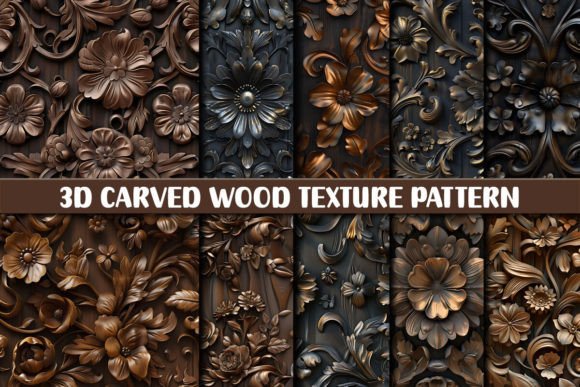
When it comes to design, texture plays a vital role in bringing visual elements to life. One of the most captivating textures you can incorporate into your creative work is the 3D Carved Wood Texture Pattern. This digital asset mimics the intricate detail and organic feel of real carved wood, but with the added advantage of being AI-generated and ready for use in high resolution. Whether you're designing invitations, websites, or craft projects, having access to 20 HD images in JPG format (300 dpi, 12” x 12”), each sized at 3600 x 3600 pixels, opens up a world of possibilities.
What Is a 3D Carved Wood Texture Pattern?
A 3D Carved Wood Texture Pattern is a digital image that simulates the look of hand-carved wooden designs. These patterns often feature raised and recessed areas, giving them a lifelike, tactile appearance when viewed up close. Unlike flat textures, they add depth and realism to any project. The best part? These are not just realistic — they’re versatile, editable, and scalable to fit your needs without losing quality.
Real-World Uses of 3D Carved Wood Texture Patterns
Here’s where the magic happens — applying these textures to practical and creative scenarios. Let's explore some everyday uses across different industries and hobbies:
- Wedding Invitations and Event Design: A carved wood texture can give your event stationery an elegant, rustic touch. Imagine using it as a background for save-the-dates, place cards, or even menu designs. It adds warmth and a sense of tradition that paper alone can't achieve.
- Interior Design and Home Decor: If you're creating mockups for home decor products like picture frames, wall art, or furniture, this texture can simulate the look of aged or ornate wood finishes. You can apply it to digital mockups for clients or print it out for physical displays.
- Craft Projects and Scrapbooking: Artists and scrapbookers love working with textures. A 3D carved wood pattern can be used as a base for layered card making, journaling pages, or handmade gift tags. The detail-rich surface makes every element stand out more organically.
- Website and Blog Backgrounds: Adding a subtle wood grain effect can help create a cozy, earthy vibe on blogs about nature, DIY crafts, or lifestyle content. These textures work especially well when overlaid with soft colors or transparent text layers.
- Printable Wrapping Paper and Packaging: Use these textures to create custom wrapping paper that feels like real wood. They’re perfect for eco-conscious packaging, artisanal product boxes, or holiday gift wraps that make a lasting impression.
- Wallpaper and Desktop Themes: If you're looking to personalize your computer or phone screen, these high-quality textures provide a rich, detailed backdrop that won’t pixelate or stretch poorly.
How Different Users Can Benefit from 3D Carved Wood Textures
The beauty of a 3D Carved Wood Texture Pattern lies in its adaptability. Depending on your background and purpose, here’s how it can serve you:
For Graphic Designers
Graphic designers often need unique assets to stand out in their client portfolios. These textures offer a fresh way to add dimension to logos, headers, or promotional materials. For example, a logo placed over a carved wood texture can evoke a sense of craftsmanship and authenticity — ideal for brands focused on woodworking, sustainability, or heritage.
For Craft Enthusiasts
If you enjoy working with paper, fabric, or mixed media, these textures can become essential tools in your kit. You can digitally print them onto cardstock to create dimensional backgrounds for greeting cards or decoupage projects. Their high-resolution nature means you can cut intricate shapes without worrying about blurry edges or loss of detail.
For Business Owners and Marketers
Businesses selling handmade or natural products can use these textures to enhance their branding materials. Think of hang tags, product labels, or social media graphics that reflect the texture of real wood. This helps customers visualize the product’s aesthetic before receiving it, which can increase trust and sales.
For Web Developers and Bloggers
Web developers and bloggers who want a visually engaging site can integrate these textures into website headers, blog post dividers, or button designs. Because they come in standard sizes and resolutions, they’re easy to resize and optimize for different screen dimensions while maintaining clarity.
Considerations Before Choosing Your 3D Carved Wood Texture Pattern
Before diving into your next project, there are a few things to keep in mind when selecting and using these textures:
- Match the Theme: Not all wood textures fit every project. Consider whether the pattern should feel antique, modern, rustic, or sleek. Some designs may have deep grooves, others a smoother, more refined grain.
- Layering Techniques: To avoid overwhelming your design, try layering the texture beneath other elements. Adjust opacity or overlay effects to let the texture shine without overpowering your message or visuals.
- Software Compatibility: Since these are JPG files, they should work seamlessly with most design software like Adobe Photoshop, Illustrator, Canva, or InDesign. Make sure your editing tool supports transparency if you plan to overlay the texture on colored or gradient backgrounds.
- Printing vs. Digital Display: While the files are optimized for printing, always check color profiles and ensure the texture looks consistent across both digital and printed formats. High-resolution prints will maintain the texture’s definition, especially on matte or textured paper.
Strengths of Using AI-Generated 3D Carved Wood Texture Patterns
AI-generated textures have come a long way. Here’s what makes the 3D Carved Wood Texture Pattern particularly strong:
- Consistency and Quality: Every image in the set maintains the same high resolution and detail level, so you don’t have to worry about mismatched textures in your project.
- Time Efficiency: Instead of sourcing or creating wood textures manually, you get a curated collection ready to use immediately. This saves hours of design time and allows you to focus on the creative process.
- Customization Potential: With the right tools, you can blend these textures with other design elements, recolor them, or modify contrast levels to suit your specific needs.
Potential Limitations to Be Aware Of
While these textures are incredibly useful, there are a few limitations to consider:
- Overuse Can Distract: Too much texture can pull attention away from your main content. Use it as an accent rather than a dominant feature unless your goal is to highlight the material itself.
- Limited Physical Feel: Though the texture looks realistic on screen, it doesn’t replicate the actual tactile experience of carved wood. This is fine for most digital applications, but might be a drawback for projects where physical texture is important.
- Not Suitable for All Styles: If your design leans toward minimalism or ultra-modern aesthetics, a heavy wood texture might clash. Always test how the pattern interacts with your existing style before finalizing your layout.
Practical Tips for Application
To get the most out of your 3D Carved Wood Texture Pattern, consider these tips:
- Use as a Base Layer: Place the texture beneath your design elements to add depth without interference. Adjust the blending mode to “Multiply” or “Overlay” for a more natural integration.
- Combine with Other Textures: Try pairing it with stone, metal, or parchment textures to create unique composite designs. Just be careful not to overcomplicate the overall look.
- Test on Multiple Surfaces: When planning for print, preview the texture on various paper types to see how it reacts to different finishes. Matte paper tends to show off textures better than glossy surfaces.
- Experiment with Lighting Effects: Use light and shadow overlays to enhance the 3D illusion. This works especially well for web banners or posters where visual impact matters.
Where to Use These 3D Carved Wood Texture Images
With 20 high-quality images in your possession, you’ll find yourself returning to this collection again and again. Here are a few popular applications:
- Card Making: From birthday cards to thank-you notes, a subtle wood texture can transform a simple design into something memorable.
- Stationery Sets: Letterheads, note cards, and business cards take on a new personality when paired with a carved wood background.
- Blog Headers and Social Media Graphics: Create cohesive brand imagery by using the same texture across multiple platforms. It helps establish a signature look.
- Hang Tags and Labels: Use them for clothing, food, or craft items to give the illusion of handcrafted tags made from real wood.
- Backgrounds for Quotes or Book Covers: Add a vintage or artistic flair by placing motivational quotes or titles over a carved wood texture.
Final Thoughts on Versatility and Value
The 3D Carved Wood Texture Pattern is more than just a decorative element — it's a functional tool that can elevate your creative output. Whether you're working on a small hobby project or a large-scale commercial design, these textures offer flexibility, realism, and ease of use. The fact that they’re AI-generated yet retain high quality ensures you’re getting professional-grade materials without the premium price tag.
So, go ahead and experiment. Resize, layer, blend, or print — the options are endless. These textures are designed to inspire, and with 20 images in your arsenal, you'll likely discover new ways to use them beyond what you first imagined.